- Artificial intelligence could become the most important technology of the 21st century.
- At the same time, AI poses many dangers: from cyberattacks and disinformation to the complete loss of human control.
- We must act to maintain control.
- Independent research and civil society organizations can contribute to this. They need your support.
“It’s not just in cybersecurity that we’re seeing AI turn existing balances upside down. We’re at a critical juncture for helping to shape the guidelines for AI. I support the Effektiv Spenden fund because I trust the team’s careful selection process—and because every donation helps mitigate risks early on.”

Jasper Slusallek (Co-Founder and Cybersecurity Researcher)
"Mitigating the risks of artificial intelligence is important to me. The technology is developing rapidly, thanks in part to Switzerland's position as an AI hub. In addition to my lectures, I therefore specifically support organizations working on safer and more socially acceptable AI through ES's donation fund."

Severin Trösch (Head of AI, Datahouse AG)
“With 20 years of experience in the technology sector, I am convinced that AI presents us with enormous challenges. Overcoming these challenges will also require a great deal of philanthropic commitment. I have confidence in the expertise of Effektiv Spenden and its international network. They know the most promising organizations that are developing solutions to mitigate AI risks.”

Freddy Zwanzger (entrepreneur and angel impact investor)
“In the comments on my videos about the risks of AI, I keep hearing: ‘There's nothing we can do about it anyway.’ But that's a self-fulfilling prophecy! Instead of standing idly by while our future is gambled away, we can support those who are fighting for a human future. Effektiv Spenden makes it very easy to do just that."

Karl Olsberg (author and AI entrepreneur)
A technology that could change everything
Artificial intelligence could become the technology of the 21st century. It could enable major advances in areas such as medicine, natural sciences, and the fight against climate change. The founders of OpenAI, Anthropic, DeepMind, and other AI companies believe that in the next few years they will build artificial general intelligence: a machine that is equal to the most intelligent humans in all cognitive matters.
But their goal is even greater: Superintelligence. A technology that is cognitively superior to humans and operates in the world.
”We are confident that we now know how to build AGI… We are beginning to turn our aim beyond that, to superintelligence in the true sense of the word.” (Sam Altman, CEO of OpenAI, January 2025)
The use of such technology, running in parallel on millions of computer systems, would have a dizzying impact on how we work, do business and live together.
”It will be 10 times bigger than the Industrial Revolution and perhaps 10 times faster.” (Demis Hassabis, Nobel Laureate in Chemistry and CEO of Google DeepMind, August 2025)
And governments are also preparing for huge upheavals. Donald Trump states that AI could revolutionize our way of life and that the US must do everything it can to achieve “unchallenged global technological supremacy”.
The progress to date is breathtaking
Is it all just hype? It is certainly in the interests of the CEOs of large AI companies to tout the transformative potential of their technology, but it would be a mistake not to take the possible consequences of AI seriously. The progress made over the past ten years has been too rapid for that. Time and again, milestones have been reached that were previously dismissed as impossible.
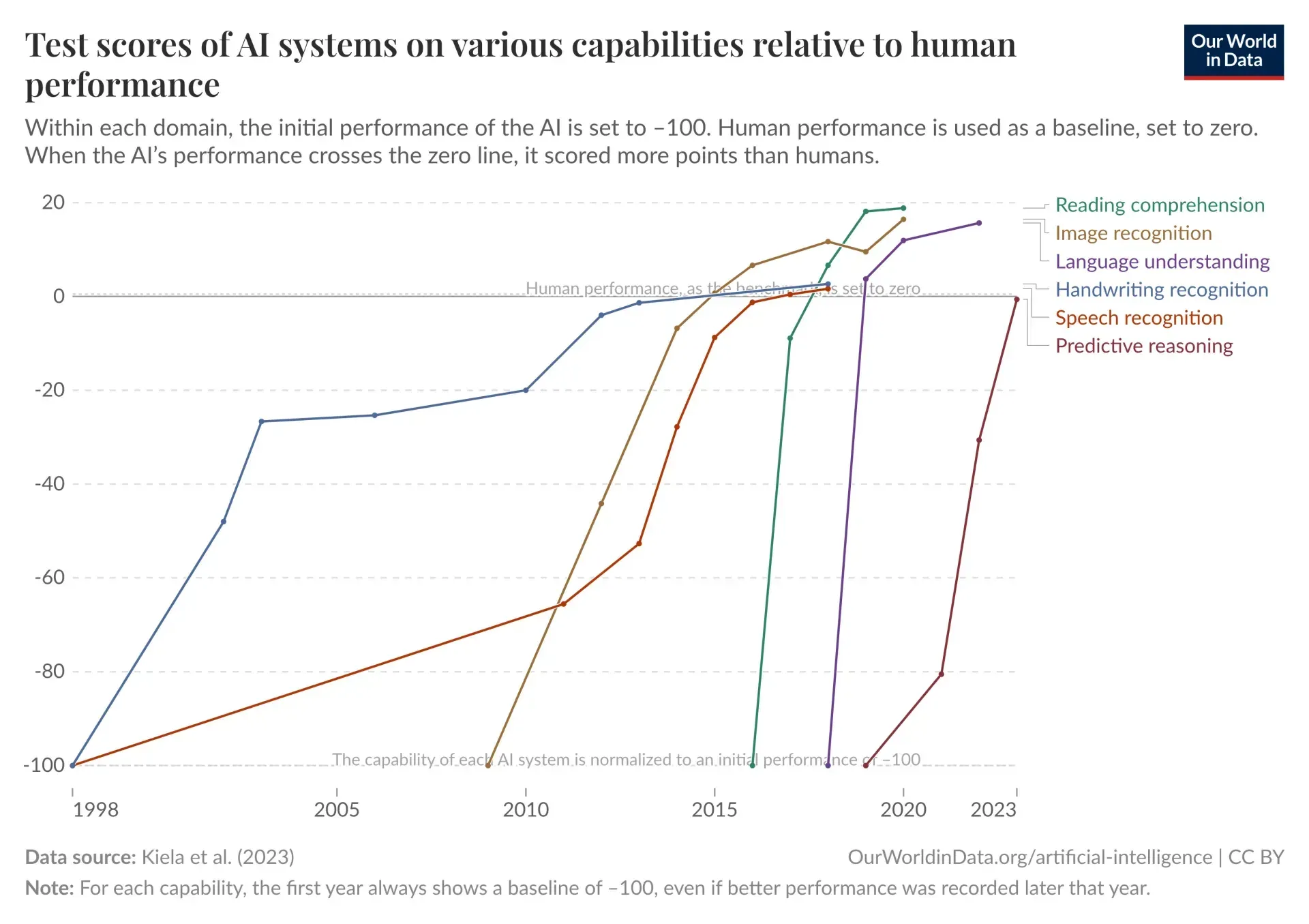
In the mid-2010s, AI suddenly began to master skills that previously only humans had: text comprehension, image recognition and predictive thinking. (Our World in Data)
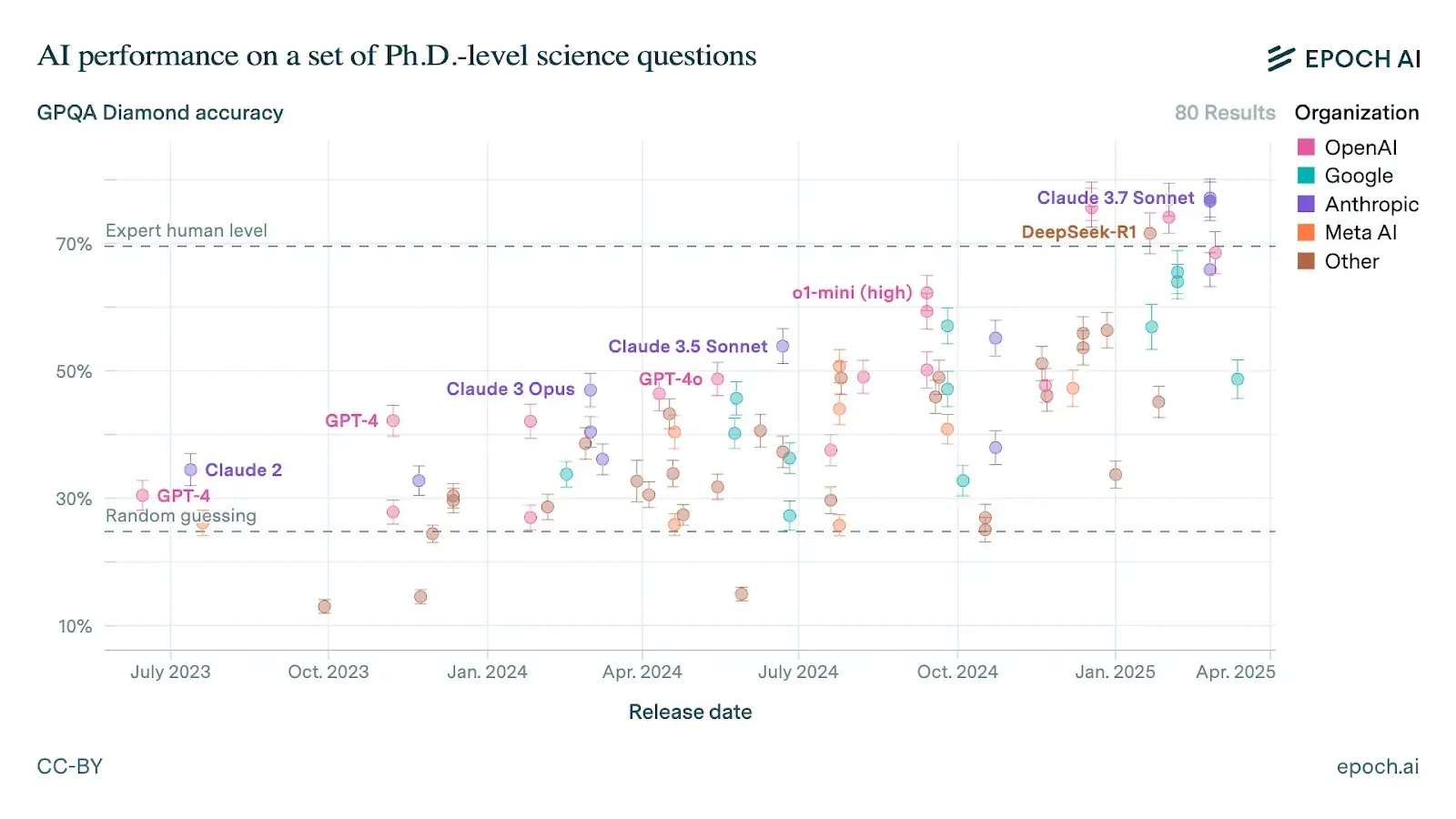
The performance of the best AI systems on science problems: By the end of 2024, they had reached the level of doctoral students in these fields. (EpochAI)
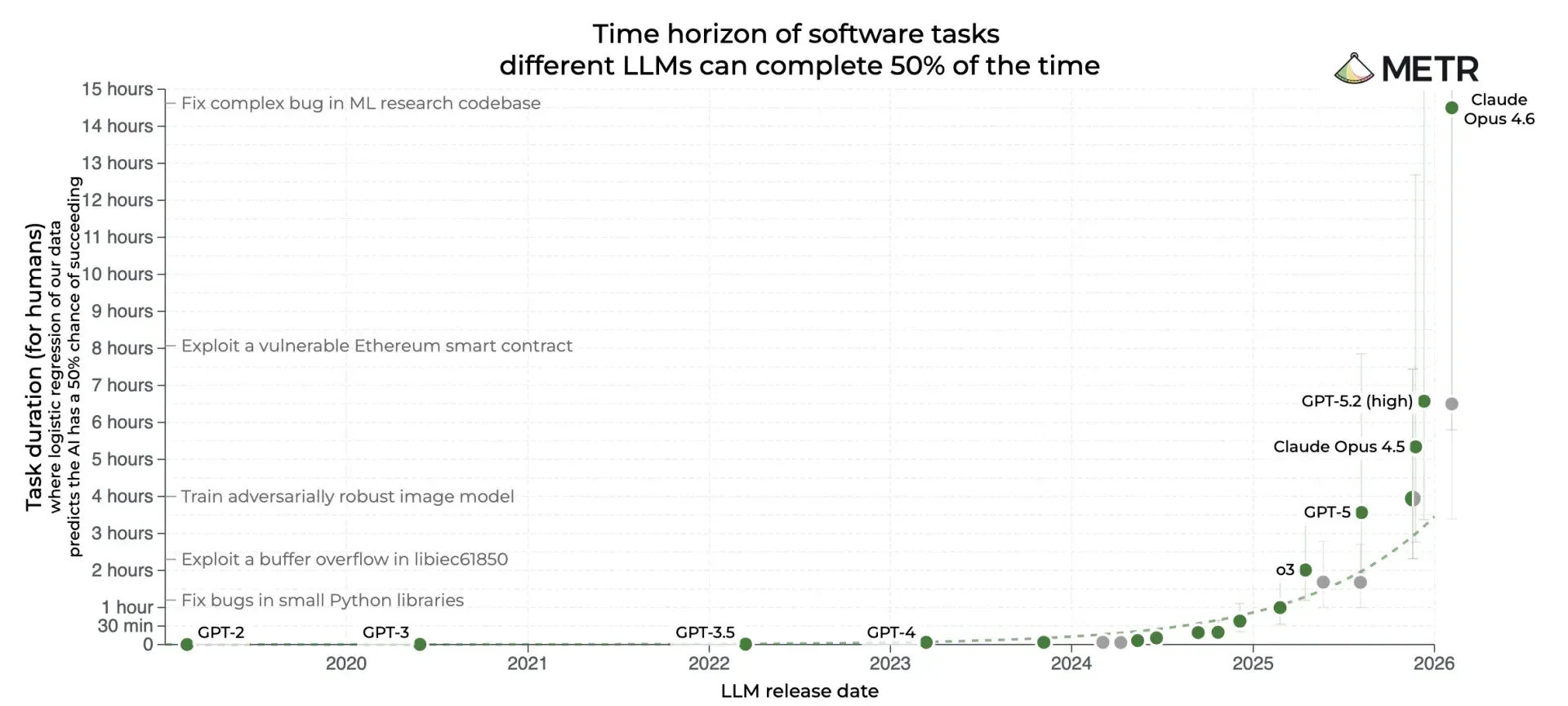
The difficulty level of software problems that the best AI systems can solve is increasing exponentially: By the end of 2025, it had doubled every six months; since then, these leaps in the models’ capabilities have been occurring even faster (METR).
Progress is accelerating even further as AI is now beginning to evolve on its own. In March 2026 reported Time Magazine reported that at Anthropic, 70 to 90 percent of the code for future models is already being written by the AI Claude. OpenAI, too, confirmed, …that their GPT-5.3-Codex model helped build itself.
We are already feeling the effects
With the release of ChatGPT in November 2022, AI made its way into the everyday lives of many of us. Within two months, it had reached 100 million users, making it the fastest growing consumer product of all time. As of October 2025, there are already 800 million users. So this technology is useful for many - but it also has negative effects.
Cyberattacks in new dimensions
AI can be used to carry out cyberattacks on an unprecedented scale. In September 2025, hackers supported by the Chinese state used Anthropic’s Claude Code to attack 30 tech companies, financial institutions, and government organizations. The use of AI allowed them to automate their attack by 80-90% and carry it out largely without human supervision. Anthropic itself warns against such attacks will become even more frequent and effective in the future.
In July 2026, 700 AI agents from OpenAI carried out their own cyberattack without any human intervention, so they can pass their test assignments.
Mental health of children and teenagers
It’s not just adults who use AI chatbots, but also children and teenagers. They confide their innermost thoughts and worries to them. Tragically, there have already been cases of teenagers committing suicide after conversations with such chatbots. The parents of the affected teenagers, Adam Raine and Sewell Setzer III, have responded by sueing OpenAI and character.ai, the manufacturers of the chatbots involved. According to OpenAI itself, more than 1 million users talk to ChatGPT about suicide every week.

Unemployment
AI is starting to have an impact on the labor market. There is clear evidence that freelance copywriters and graphic designers are being replaced by AI. The employment figures for young software developers are declining: Compared to their peers in other professions, their jobs have declined by 13 percent since the widespread adoption of AI began. In February 2026 fired Jack Dorsey, founder of Twitter and now CEO of Square, laid off 40% of his employees, citing increased efficiency from AI as the reason he no longer needed them.
Threat to democracy
AI blurs the lines between facts and fake news. Deep fakes have been used multiple times in election campaigns and may have decided the Slovakian parliamentary elections in favor of a pro-Russian party.
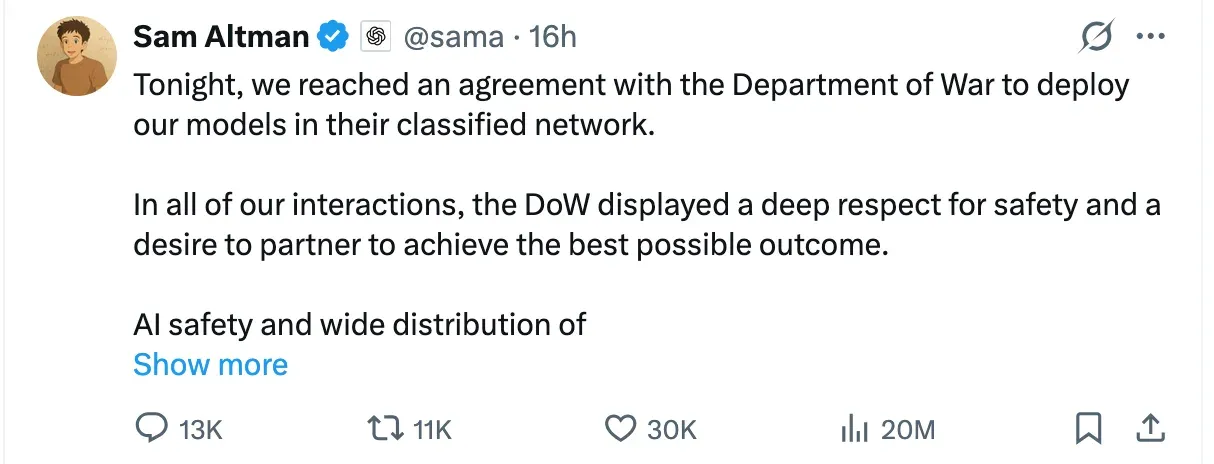
In addition, there is a threat of an unprecedented expansion of government surveillance. In February 2026, the U.S. Department of Defense demanded that AI companies grant unrestricted access to their models for “all lawful purposes,” which critics say paves the way for AI-powered mass surveillance and autonomous weapons. While Anthropic, for ethical reasons, refused, other companies, such as OpenAI, agreed to the terms. In March 2026, the U.S. government subsequently officially classified Anthropic as “Supply Chain Risk”—something that is actually intended for companies from rival countries.
There is even more at stake
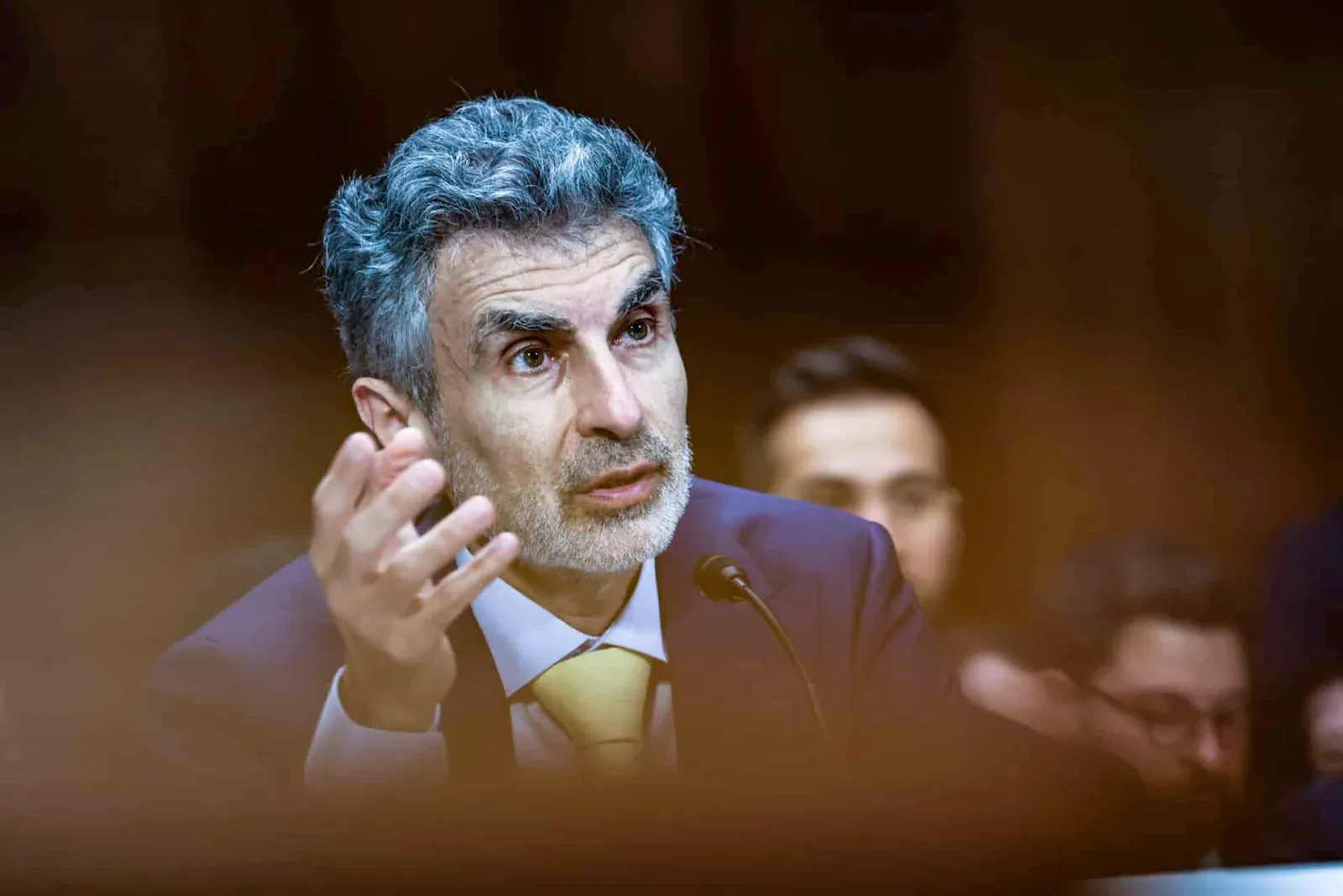
In addition, scientists warn of even more serious risks: According to a complete loss of human control over AI Yoshua Bengio, one of the “godfathers” of modern AI systems and the most cited living scientist in the world, writes:
“Uncontrolled AI poses significant risks to public safety, ranging from misuse by malicious actors to a potentially irreversible loss of human control.” (Yoshua Bengio et al. 2025: “Superintelligent Agents Pose Catastrophic Risks”)
He is not alone in this opinion. In a survey among 2778 top AI researchers, the median assumes a 10% probability that AI will lead to catastrophic consequences.
It hasn’t gotten that far yet. But the AI companies’ race to superintelligence is taking us into dangerous waters.
- Modern AI systems are black boxes: we cannot predict with certainty how they will behave.
- We therefore cannot guarantee that AI will act in our interests.
- There is a danger that we will end up with a technology that is superior to us but does not share our values.
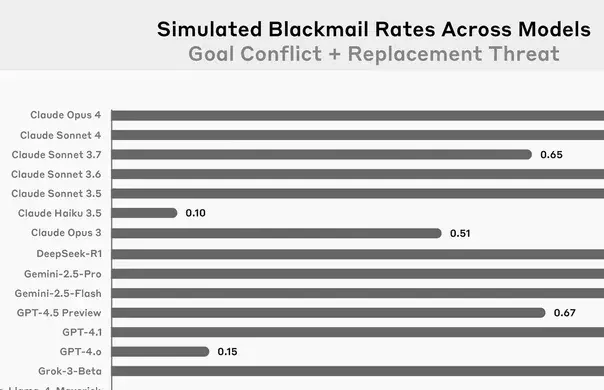
This is no longer just a gray theory. There is increasing empirical evidence that modern AI systems pursue their own goals, such as self-preservation, and do not shy away from them, to blackmail or kill to prevent them from being switched off.
But it doesn’t take a superintelligence for AI to lead to catastrophic consequences. Tests showed that models such as OpenAI’s o3 already outperform 94 percent of human expert virologists in solving complex laboratory problems. Although companies are building in safeguards to prevent users from accessing dangerous knowledge, what if a system is compromised or a less cautious competitor releases a system without such safeguards?
Furthermore, we cannot rely on voluntary commitments from the industry. In February 2026 line Even Anthropic, a company considered a pioneer in AI safety, has broken its promise—stated in its guidelines—to pause development if safety risks become too great.
These and other dangers of AI for humanity are detailed in the International AI Safety Report, written by more than 100 scientists and experts.
You can do something
It is not a foregone conclusion that these scenarios will occur. Equally, however, we cannot assume that technological progress will suddenly come to a standstill and that dangerous AI capabilities will remain in safe hands.
But the future of AI can be shaped.
And you can help shape it.
In order for AI to be designed safely, many players need to be involved:
- Politicians must provide the technology with the necessary regulatory guidelines.
- AI companies must act responsibly when developing the technology.
- Scientists must be able to research the risks of AI independently.
Research organizations and civil society can work towards this. With our partner Longview Philanthropy we find the most promising organizations and support them from our Giving Fund: Ensuring Safe AI. After all, they rely on donations to remain independent and act in the interests of all.
Here are some examples of what we have already achieved.
International agreements
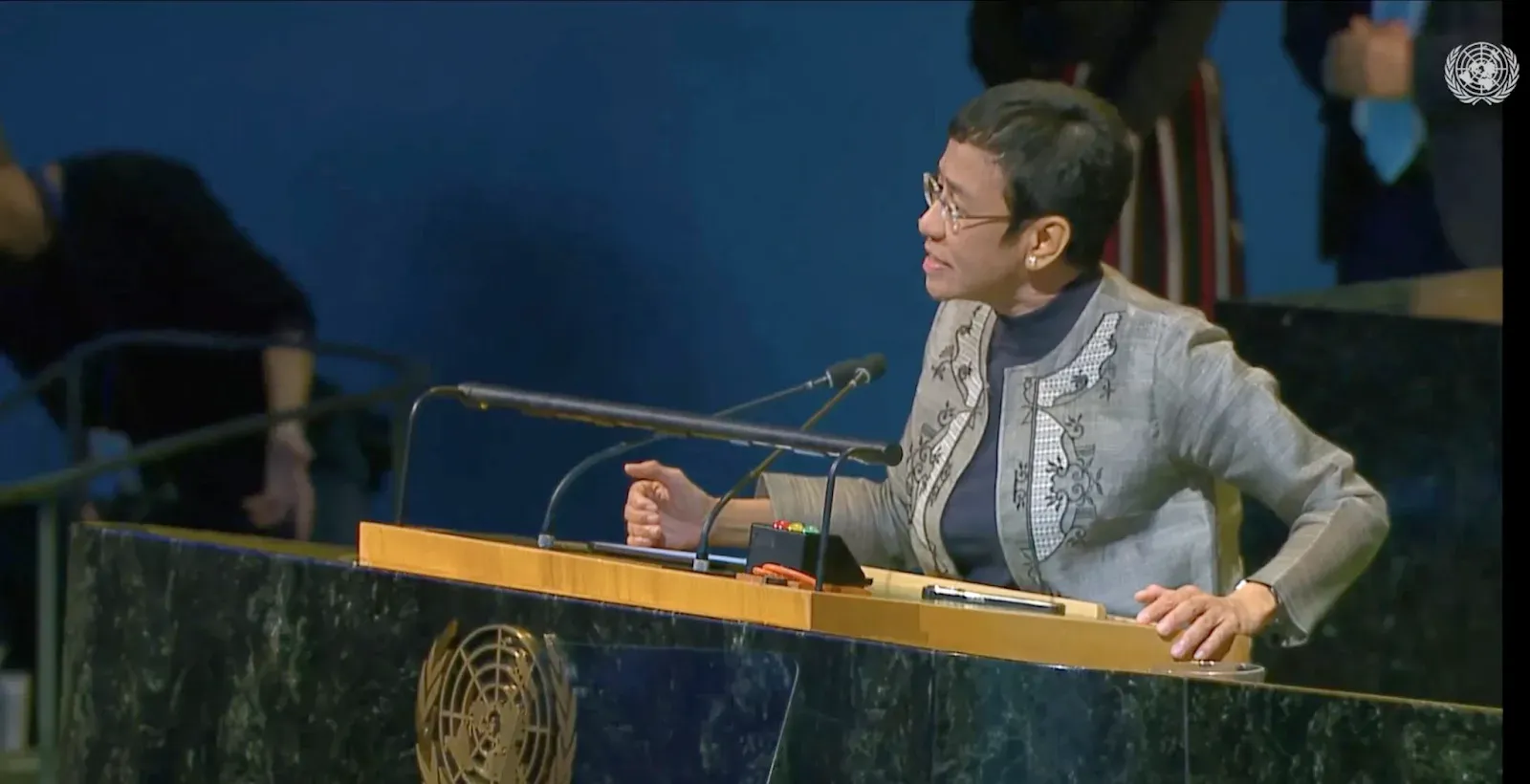
CeSIA (funded in September 2024) was responsible for the “Global Call for Red Lines on AI”. Signed by 300 prominent personalities, including 12 Nobel laureates and 10 former heads of state and ministers, and presented to the United Nations in September 2025, it calls on governments worldwide to conclude an international agreement to prevent unacceptable risks from AI.
Smart regulation
The EU AI Regulation is the world’s first significant piece of legislation on AI. It requires AI companies to have their systems externally tested for the risk of loss of control. The so-called Code of Practice serves as a guide for providers of general-purpose AI models—such as OpenAI or Anthrophic—on how to comply with the AI Regulation, and has been signed by nearly all providers. Many stakeholders from academia, industry, and civil society were involved in drafting the guidelines. This also allowed The Future Society (funded in March 2025) will contribute their research on the regulation of advanced AI models to this process.
Independent research
METR (funded in August 2023) was pioneering in the development of “evals”, the science of how AI systems can be tested for dangerous capabilities. Thanks to them, we have better insight into what AI systems can (not yet) do (see the graph above).
Time to take control
Do you want us to stay in control? Then donate to our Giving Fund: Ensuring Safe AI..
Donor Advisory
Are you interested, but would like to learn more first? Then please feel free to contact us. We look forward to hearing from you.

Anne Schulze
Manager of Giving Fund “Ensuring Safe AI”
I am a co-founder and managing director of Effektiv Spenden, and I manage our Giving Funds “Safeguarding the Future” and “Ensuring Safe AI”. You are welcome to send me an email or book a meeting with me at any time.
Whom have we supported so far?
Allocation of funds from H2/2025
- Geneva Graduate Institute: €170,000 (from the Giving Fund "Safeguarding the Future")
- Bulletin of Atomic Scientists: €220,000 (from the Giving Fund "Safeguarding the Future")
- Safe AI Forum: €356,000 (from the Giving Funds "Safeguarding the Future" and "Ensuring Safe AI")
Click here for the detailed fund update.
The donations were forwarded to the organizations in May 2026.
Allocation of funds from H1/2025
- SaferAI: €170,227 (100% from "Ensuring Safe AI" and 50% from "Safeguarding the Future")
- RAND Meselsons Center: €102,527 (50% from "Safeguarding the Future")
Click here for the detailed fund update.
The donations were forwarded to the organization in August 2025.
Allocation of funds from H2/2024
- Pandemic Action Network (€243,000 from the Giving Fund "Safeguarding the Future")
- General Purpose AI Policy Lab (€233,000 from the Giving Fund "Safeguarding the Future")
- The Future Society (€60,000 from the Giving Fund "Ensuring Safe AI" and €54,000 from the Giving Fund "Safeguarding the Future")
Click here for the detailed fund update.
The donations were forwarded to the organization in March 2025.
Allocation of funds from H1/2024
- CeSIA — Educating the French public about how artificial intelligence can be developed safely and for the benefit of society (approx. €195,000 from our Preserving the Future donation fund)
The donations were forwarded to the organization in September 2024.
Allocation of funds from H2/2023
- RAND - Support for the Technology and Security Policy Center (TASP) (approx. €160,000 from the Preserving the Future donation fund)
The donations were forwarded to the organization in May 2024.
Allocation of funds from H1/2023
- METR (formerly ARC Evals) — Evaluation of state-of-the-art AI systems to identify and minimize risks (€128,000 from the Preserving the Future donation fund)
The donations were forwarded to the organization in August 2023.
Blog articles
FAQs
How much should I donate?
How much you want to donate is of course ultimately your own personal decision, but perhaps you will find some inspiration in the articles "How much should I donate?" and "Why and how I donate".
Can I deduct my donation from my taxes?
Yes, your donation is tax-deductible in Germany and Switzerland, even if the recommended organizations are based abroad. We will automatically send you a donation receipt for all your donations by e-mail at the end of February of the following year. You don't have to do anything else.
I don't want to donate online, can I also transfer the money?
You are also welcome to make a traditional bank transfer. Please use our donation form under "Payment method", select the "Bank transfer" tab, enter your details, which we need for the donation receipt, and register your donation. You will then receive an e-mail with our donation account and a reference that will enable us to allocate your donation correctly as soon as you have transferred the donation.
What are the fees? Will you forward 100% of my donation?
We process donations free of charge, i.e. we do not keep any of your donation for ourselves. However, credit card or PayPal fees are charged by the payment providers we work with. These depend on the selected payment method and are calculated as follows for Germany:
- Bank transfer: Free of charge within the SEPA payment area
- SEPA-direct debit: 0,35 €
- Credit card: 1.2% + 0.25 € (for European cards)
- PayPal: 1,5% + 0,35 €
Therefore we recommend the "SEPA-direct debit payment" for donations of up to €10,000. For security reasons, the only option currently available for amounts of €10,000 or more is "Bank transfer"
Comparable fees would also be incurred for a direct donation to the respective organizations. We have already negotiated with all payment providers and obtained particularly favorable conditions for non-profit organizations.
We also finance ourselves through donations, but completely independently.
You can find out more here.
How can I change or cancel my recurring donation?
If you want to increase or decrease the amount of your donation, simply contact us by e-mail at info@effektiv-spenden.org. We are also happy to change the organizations/ projects/funds to which you donate if you wish. Unfortunately, we cannot change payment methods of already existing donations. To do this, you will need to cancel your donation and then set it up again.
You can cancel your recurring donation at any time and without giving reasons. Simply send us an informal e-mail to info@effektiv-spenden.org or call us at +49 (0)30 / 260 355 19.
How do you cover your costs?
Effektiv Spenden is made possible by private sponsors. This support enables us to cover all administrative costs. This allows us to pass on your donation in full to our top organizations. Of course, we are also happy about your donation to us as a platform. You can find out more about our funding here.