746,000 € for Nuclear Safety and Safe AI

Donations
In the second half of 2025, we raised a total of €746,000 in donations in Germany and Switzerland for our giving funds Safeguarding the Future and Ensuring Safe AI. The donations were distributed as follows:
- Safeguarding the future: €606,000 from 1,774 donors
- Ensuring Safe AI: €140,000 from 179 donors
This corresponds to an increase:
- in the total donation amount by 29% compared to the same period last year, and
- in the number of donors by 49% compared to the same period last year.
The demand for donation opportunities to support organizations working to reduce catastrophic risks has thus significantly increased.
Allocation
To allocate our funds, we work with Longview Philanthropy. Longview’s nuclear weapons policy and AI security program teams are among the largest and most experienced in their respective funding areas.
The donations from the second half of 2025 were allocated as follows:
- Geneva Graduate Institute: €170,000 (out of the Giving Fund “Safeguarding the Future”)
- Bulletin of Atomic Scientists: €220,000 (out of the Giving Fund “Safeguarding the Future”)
- Safe AI Forum: €356,000 (out of the Giving Funds “Safeguarding the Future” and “Ensuring Safe AI”)
Geneva Graduate Institute
Measures to Prevent Nuclear Escalation
With the expiration of the New START arms control treaty between the USA and Russia, the risk of a nuclear arms race between the major powers has increased—with significant consequences for European and global security. We are therefore supporting a project at the Center on Conflict, Development and Peacebuilding at the Geneva Graduate Institute, which is investigating measures that can help prevent a new nuclear arms race and reduce the risk of nuclear escalation.
The project brings security experts together for workshops on these topics and presents the resulting analyses to political decision-makers, including the US Congress, as well as the broader professional public.
Bulletin of the Atomic Scientists
Educating the Public about Nuclear Risks
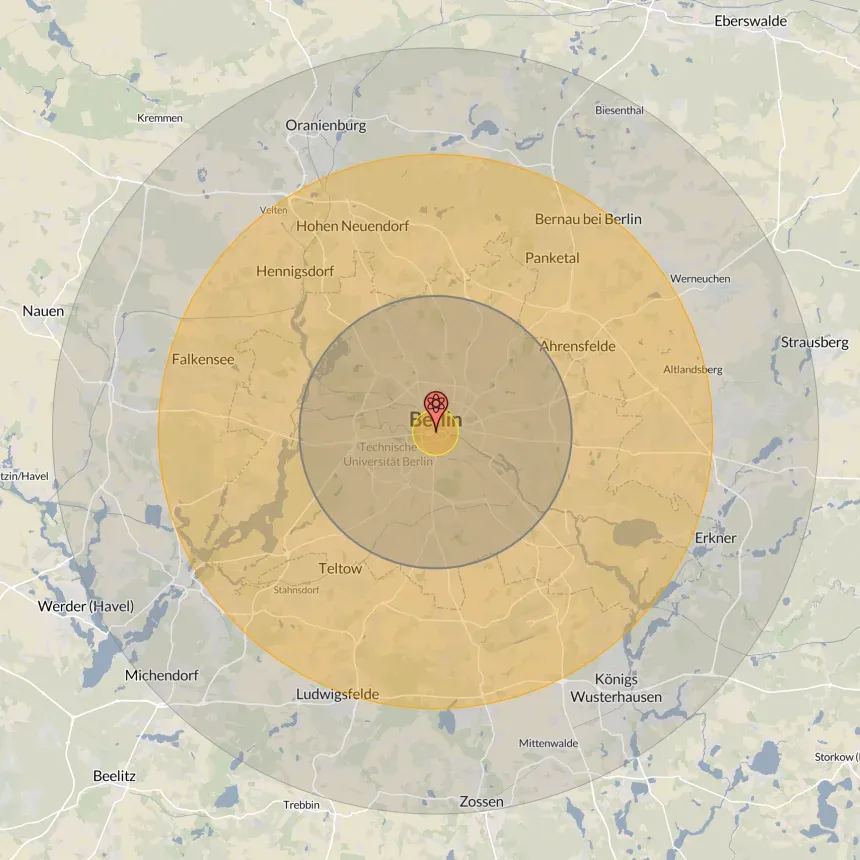
The Bulletin of the Atomic Scientists is a US non-profit organization founded in 1945, best known for the Doomsday Clock. Your donations will be used to implement the project “New Histories, Media, and Tools for Nuclear Engagement”, which will be led by Prof. Alex Wellerstein. He is a professor at the Stevens Institute of Technology and developer of the NUKEMAP—an online simulation of nuclear weapon effects that has been used by over 60 million people since 2012.
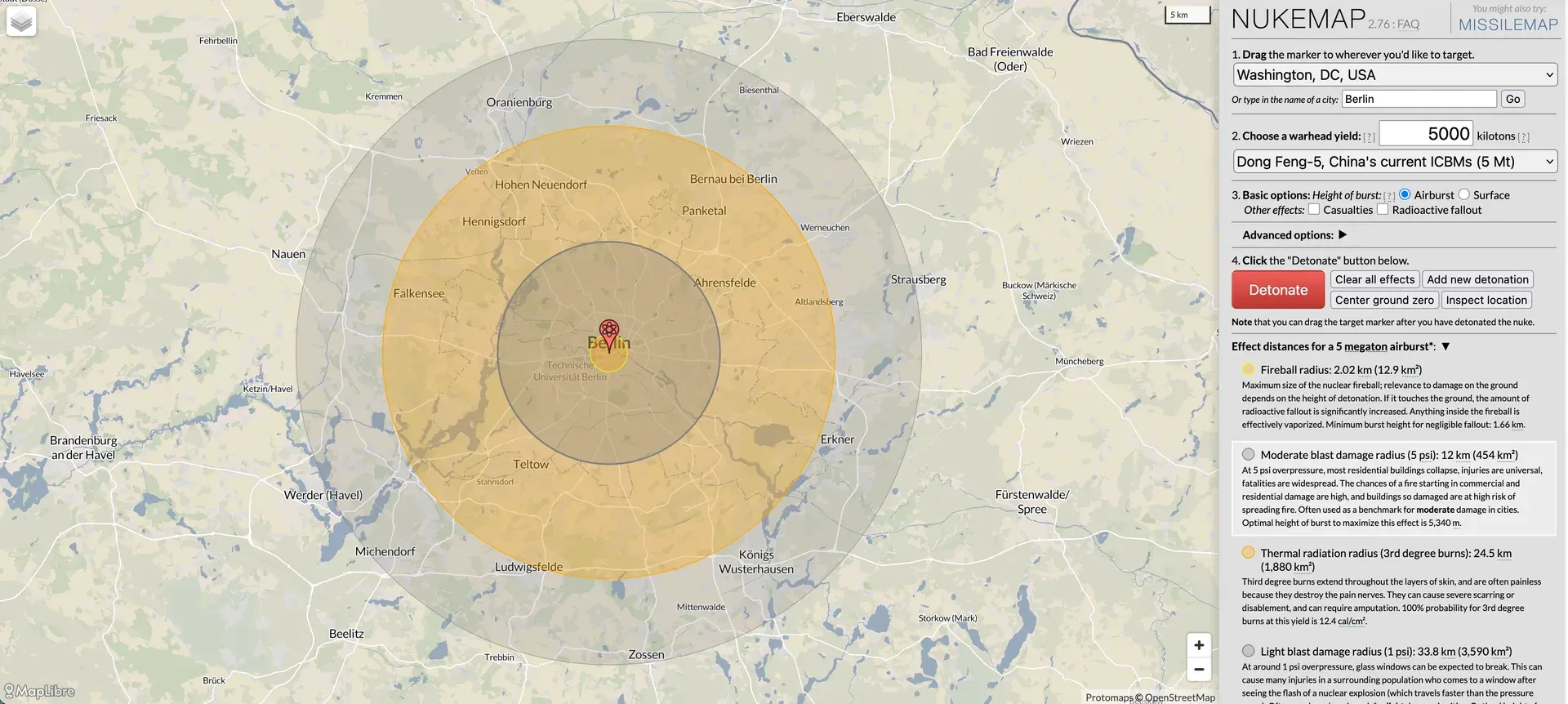
The aim of the project is to use new content and tools to educate a broad public about nuclear risks. This includes almost 50 historical articles for the Bulletin’s website, which use nuclear history to challenge common assumptions and update public understanding of nuclear risks. In addition, 24 detailed video essays for YouTube and Nebula on history, technology, and politics are being created. This fills a gap on these platforms, which are currently almost exclusively occupied by non-experts on nuclear issues. This is accompanied by a podcast miniseries timed to coincide with the Doomsday Clock.
In addition, around six interactive online tools are being developed. NUKEMAP will receive a modernized interface and an official mobile app. Further tools include an updated MISSILEMAP, simulations for reactor accidents and the realistic consequences of a nuclear exchange, as well as interactive databases. A free open-source toolkit is also being created, which will enable other NGOs to develop their own map-based web tools and reduce the associated costs by around 90%.
Safe AI Forum
International Scientific Cooperation on AI Safety
Advanced AI systems pose complex, global risks that can only be managed through cross-border research and a shared technical understanding. With €356,000 from the giving fund, we are supporting a project by the Safe AI Forum (SAIF) that specifically promotes international scientific cooperation in the field of AI safety.
At the heart of the project are the International Dialogues on AI Safety (IDAIS). SAIF succeeds in bringing a “Who’s Who” of global AI research to the table. The dialogues unite leading minds from the USA, China, Great Britain, and the EU—including Turing Award winners (the “Nobel Prize of Computer Science”) such as Yoshua Bengio, Andrew Yao, and Geoffrey Hinton, as well as luminaries from elite institutions like Berkeley, MIT, Oxford, and Tsinghua University. This exclusive gathering of the world’s most influential AI developers and scientists makes it possible to create a well-founded, cross-country understanding of the technical challenges of modern AI models.
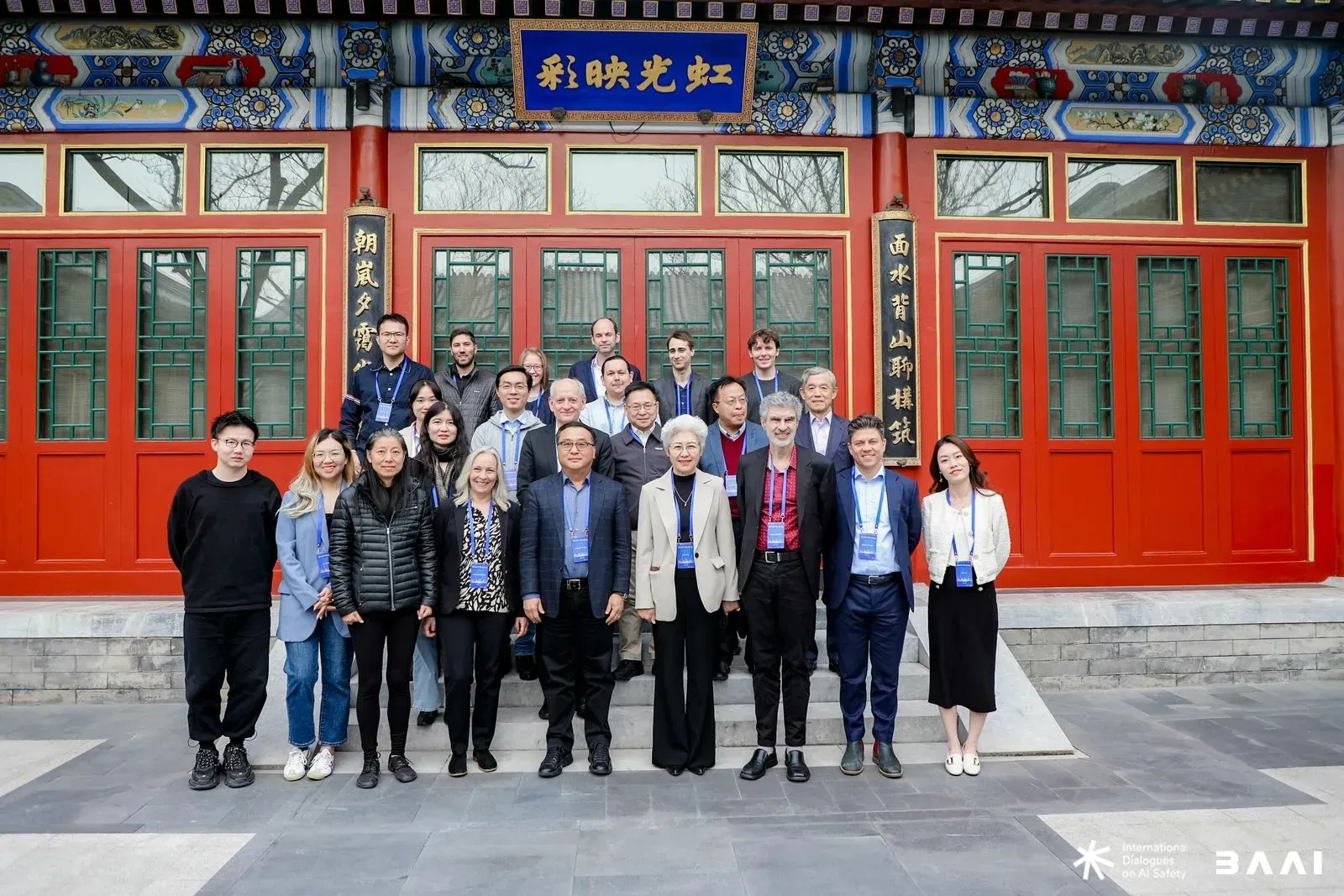
By connecting these top experts, SAIF contributes significantly to strengthening the scientific foundations for safe, global AI development.
Other News
New Podcast
Effektiv Spenden has launched its own podcast. In one of the first episodes, we speak with Martin Milbradt, who worked with METR on their research into AI coding capabilities. Martin explains how METR concluded that AI capabilities are on an exponential growth curve and what resulting risks particularly worry him.
Anthropic’s latest AI model too dangerous?
In April 2026, Anthropic announced that it would not release its new AI model “Mythos” because its cybersecurity capabilities were too strong, posing too great a risk to the general public. As evidence, they published a report claiming Mythos found 1,000 security vulnerabilities in the most important operating systems and browsers. The largest tech companies were then invited by Anthropic to “Project Glasswing,” which allows them to use Mythos to close existing security gaps. Some voices, such as the head of the US Central Bank, took this warning very seriously.
There is, however, a great deal of skepticism from cybersecurity circles. For example, one of the most important security vulnerabilities mentioned in Firefox was only exploitable if standard security settings were not enabled. And the UK AI Security Institute, which was allowed to test the model, states that although they were able to carry out a 32-step attack on a company network using the model, they themselves are unsure whether well-secured systems could withstand Mythos.
The crux of the matter: we largely have to rely on Anthropic’s statements. To prepare for the risks of advanced AI, there must be more independent research and verification mechanisms.
US Government wants a say in the release of AI models
Following the Mythos saga, the US government has now forbidden Anthropic from giving further companies access to Mythos as part of “Project Glasswing.” As Shakeel Hashim from Transformer (a project of the Tarbell Center for AI Journalism, which Effektiv Spenden has also financially supported in the past) writes, this is a good sign in the sense that the US government may now gradually recognize that AI requires state control. On the other hand, he criticizes that systematic regulation is needed, not just ad hoc decisions.
Impact of AI on the Economy
A measure of how truly transformative AI will be—and thus, how great the associated opportunities and risks are—is its impact on the economy and the labor market. AI developers predict strong effects. But what do economists think?
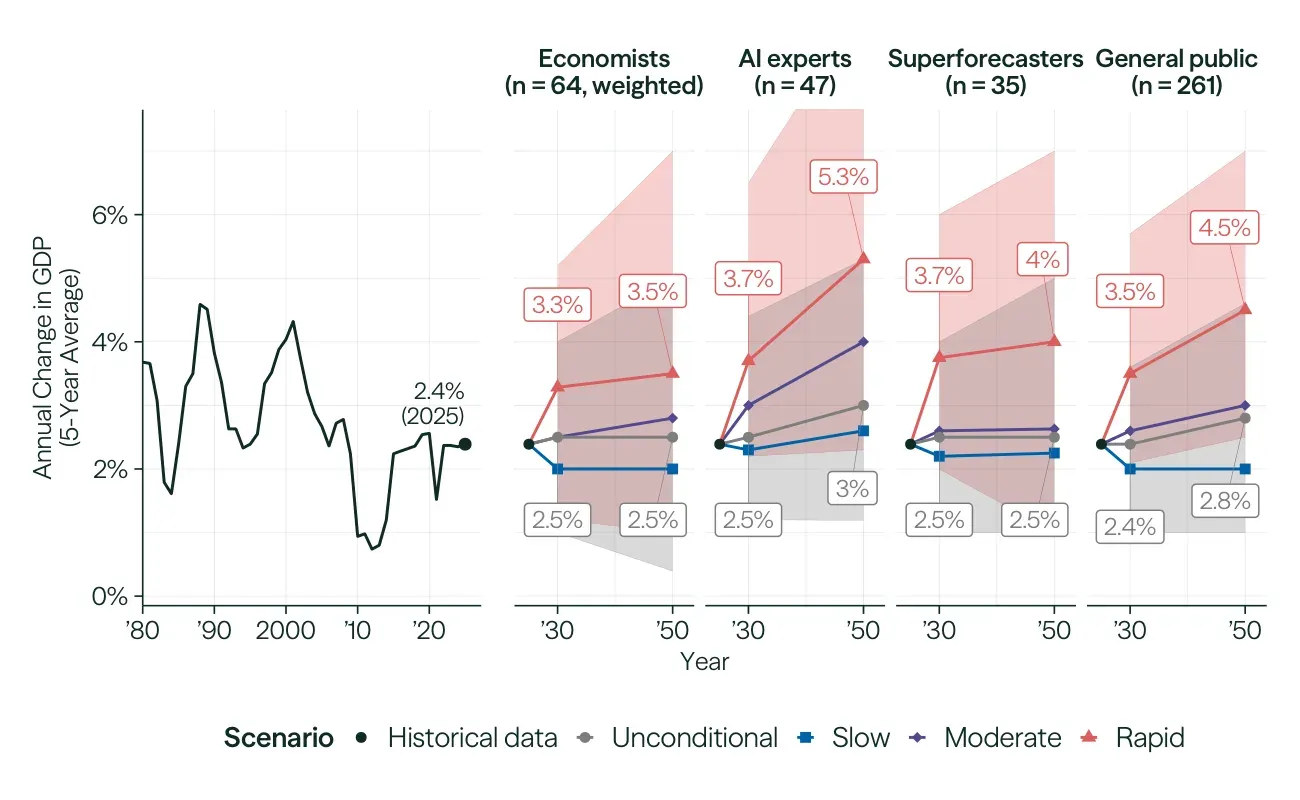
A new paper from the Federal Reserve Bank of Chicago and the Forecasting Research Institute systematically examines the predictions of economists, AI industry experts, and “superforecasters.” The study shows that economists and AI experts have relatively similar expectations for how quickly AI will develop. The main disagreement is how strongly technical progress will affect economic growth. In the case of rapid AI progress, economists expect “only” 3.5% annual GDP growth by 2050 (it was 2.4% in 2025), while AI experts expect 5.3%.
New AI Program Director at Longview
Michael Aird has started as new AI Program Director at Longview Philanthropy in January 2026. He leads the team that finds promising organizations like SAIF for us. Michael was most recently a researcher at RAND and previously co-founded the Institute for AI Policy and Strategy.
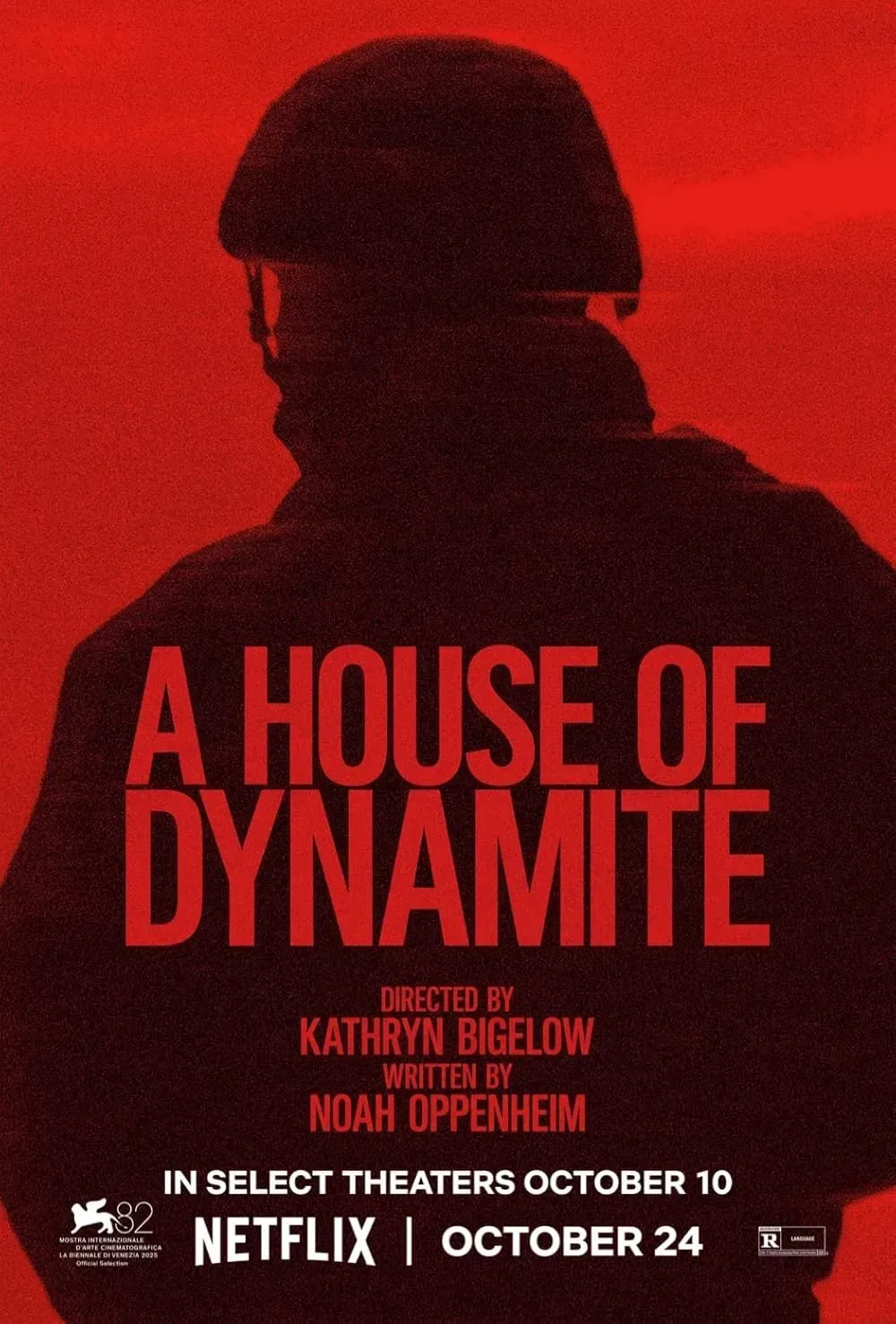
The AI team consists of a total of 6 employees. The team that focuses on nuclear risks and provided the recommendations for the Bulletin of the Atomic Scientists and the Geneva Graduate Institute consists of 4 members and is led by Carl Robichaud. Fun Fact: Carl provided the inspiration for the title of the Netflix film “A House of Dynamite”.
About the author
Founder & Managing Director

Subscribe to our newsletter
News about us and our donation projects. Cancel at any time.
More blog posts
-

Tax-deductible donations in Switzerland?
What do I need to keep in mind if I want to claim my donations as a tax deduction in Switzerland?

-
How 700 OpenAI Agents Hacked Hugging Face
700 AI agents escaped from their test environment and hacked Hugging Face. We explain the AI agent cyber attack.

-
Our Giving Fund: Fighting Poverty in H2/2025
Our Giving Fund: “Fighting Poverty” supports four projects in Africa and India with a total of 5.3 million euros in donations from the second half of 2025.