The urgent case for biodiversity protection

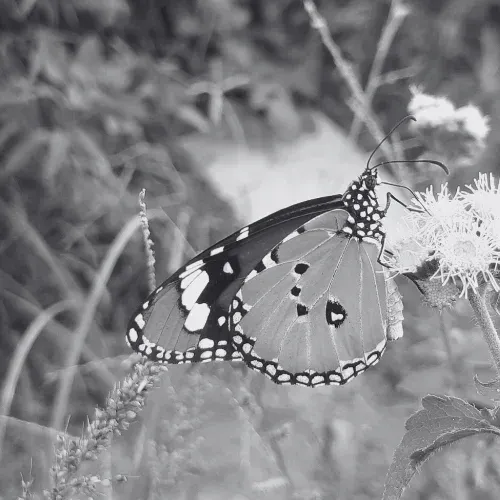
Biodiversity, the intricate web of life on Earth, is in crisis. More than half of the world’s GDP depends at least in part on nature, yet human activities are driving species extinction at an alarming rate and ecosystems are collapsing. Against this backdrop, our new report explains why we believe a refocus of conservation philanthropy is needed, one that is more closely aligned with criteria for achieving the greatest impact by selecting the most promising interventions and non-profits. This is especially relevant in the context of global warming - both crises, the climate crisis and the biodiversity crisis, are closely linked and can only be solved together.
Beyond its intrinsic, cultural, or recreational values, the economic value of biodiversity cannot be understated—over $44 trillion of global GDP relies on healthy ecosystems. From clean air and water to food security and natural disaster resilience, nature provides irreplaceable services.
In our efforts to tackle the climate crisis, nature not only serves as an important sink for greenhouse gases, but also helps to mitigate the effects of global warming. However, the buffer provided by Earth’s ecosystems is weakening due to ongoing nature degradation, putting us at risk of crossing critical tipping points.
But instead of helping to protect and preserve ecosystems, our human activities are accelerating the decline in biodiversity - particularly through agriculture, land-use change and the exploitation of natural resources. Our global economic system invests $7 trillion every year in activities that harm nature. Investments to protect and restore nature are only a fraction of these immense sums. Only a small proportion of global philanthropic funding is spent on nature conservation and biodiversity preservation. And perhaps more importantly, the limited volume of donations is typically not allocated to have the greatest impact and often restricted to individual, local projects.
To make meaningful progress, we believe a stronger focus on the highest-impact opportunities is needed, particularly by supporting actions that can bring about systemic change, such as advocacy. By placing stronger emphasis on the most promising interventions, philanthropy can play a pivotal role in safeguarding our planet’s health.
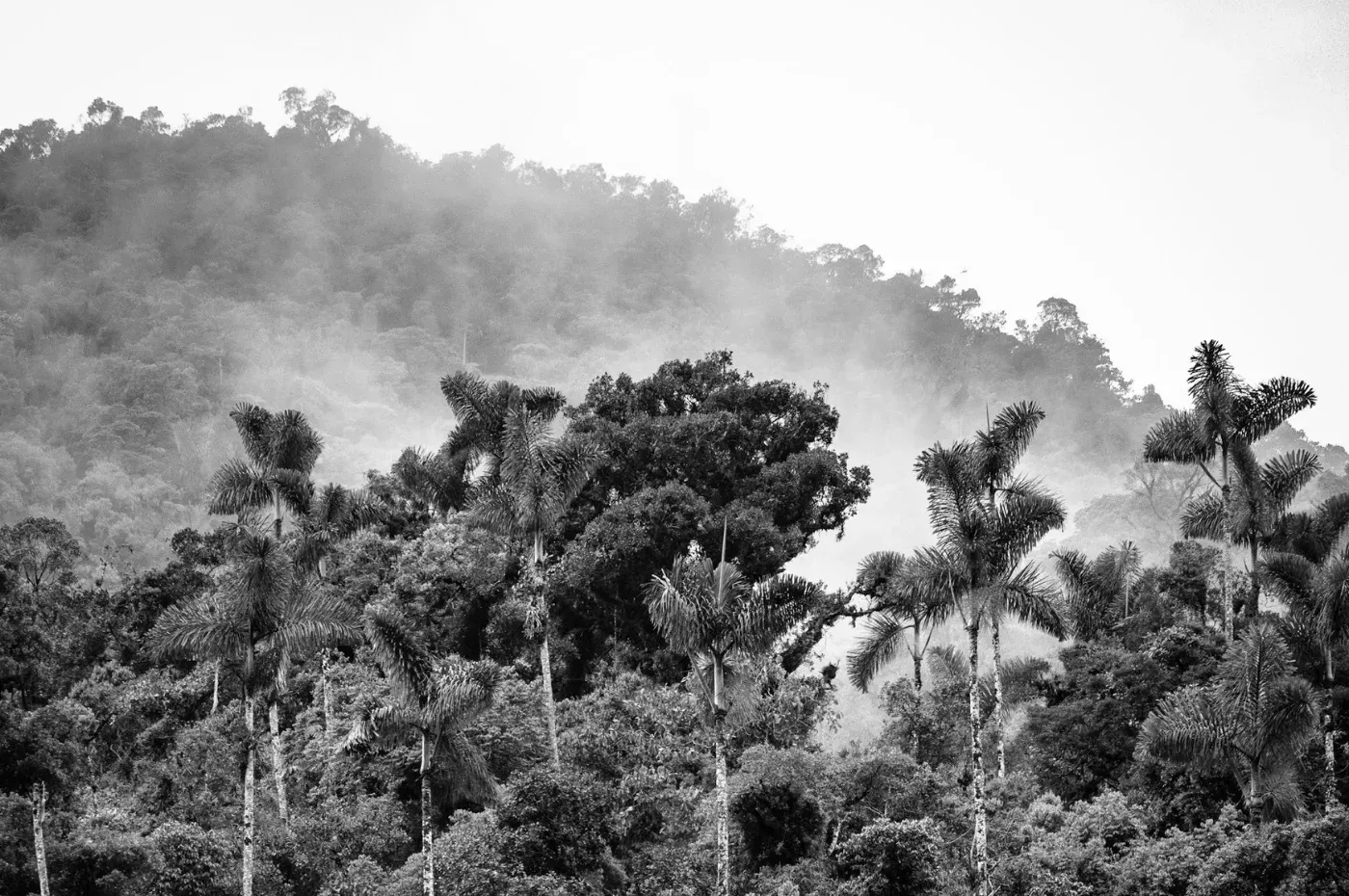
To date, little research is available that evaluates the most promising philanthropic interventions and organizations for biodiversity conservation and guides effective giving. We would greatly welcome such analyses to inform our own work and recommendations.
In the meantime, our own shallow review identifies four areas for effective giving for nature that we believe are particularly promising:
- Alternative proteins: The switch to plant-based and cultivated meat can drastically reduce the land-use footprint of agriculture, thus preserving natural habitats.
- Supply chain transparency: Holding corporations accountable for deforestation and other ecological harms is crucial for conservation efforts.
- Legal action: Enforcing environmental laws and pursuing strategic litigation can catalyze significant changes in industries that today contribute to biodiversity loss.
- Wetland conservation and restoration: Wetlands, which store significantly more carbon per area than forests, are biodiversity hotspots and provide critical ecosystem services, yet are underfunded and rapidly disappearing.
The intertwined crises of climate change and biodiversity loss require a holistic approach. Together, we can make a bigger difference by prioritizing our efforts in the right way, ensuring that our ecosystems remain resilient for future generations.
For those looking to contribute to these efforts, our full report, “The dual climate & biodiversity crises,” provides detailed insights into the urgency of the crisis and how we think about effective strategies for addressing it. You can access the full report here.
About the author
Founder & Former Head of Research

Subscribe to our newsletter
News about us and our donation projects. Cancel at any time.
More blog posts
-

Tax-deductible donations in Switzerland?
What do I need to keep in mind if I want to claim my donations as a tax deduction in Switzerland?

-

How 700 OpenAI Agents Hacked Hugging Face
700 AI agents escaped from their test environment and hacked Hugging Face. We explain the AI agent cyber attack.

-

Our Giving Fund: Fighting Poverty in H2/2025
Our Giving Fund: “Fighting Poverty” supports four projects in Africa and India with a total of 5.3 million euros in donations from the second half of 2025.