Our Giving Fund: Fighting Poverty in H2/2024

In the second half of 2024, almost €3.5 million were donated to our Giving Fund: Fighting Poverty (more than €2.6 million from Germany and Austria, and nearly 800,000 Swiss francs from Switzerland). A heartfelt thank you once again to all 4,515 donors for their valuable contribution to the effective fight against extreme poverty and poverty-related child mortality.
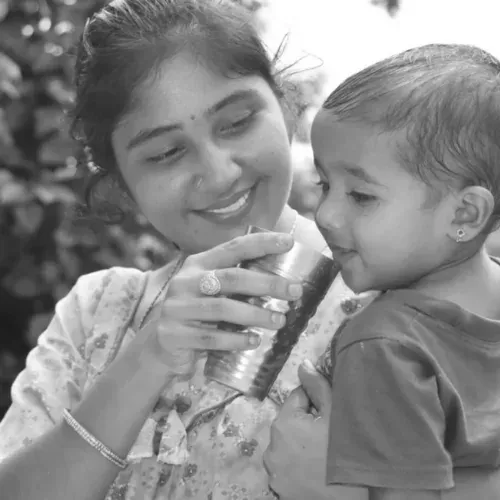
This time, the funds are supporting – as always in close coordination with our research partner GiveWell – the “Safe Water Now” program by Evidence Action in India, providing life-saving access to safe drinking water.
Saving lives through the treatment of drinking water
The problem
Contaminated drinking water costs the lives of over 1,000 children every day. It is the leading cause of diarrheal diseases, which in turn are the second most common cause of death among children worldwide. In addition, unsafe water is a major cause of malnutrition and numerous other illnesses such as typhoid, cholera, and hepatitis A.
The solution
Water treatment with chlorine is a proven method for killing pathogens, is considered largely safe, and is recommended by the WHO. In German-speaking countries, it is only used on tap water in exceptional cases, but in many other industrialized nations such as France, Italy, the UK, and the USA, chlorinated drinking water is part of everyday life.
The particular program in India
Evidence Action is supporting the Jal Jeevan Mission – a mega-project by the Indian government – with its technical expertise and experience to install water treatment systems directly at central water supply points in the states of Andhra Pradesh and Madhya Pradesh. So-called in-line chlorinators automatically add precisely dosed chlorine to the water to reliably disinfect it, without requiring any action from the users.
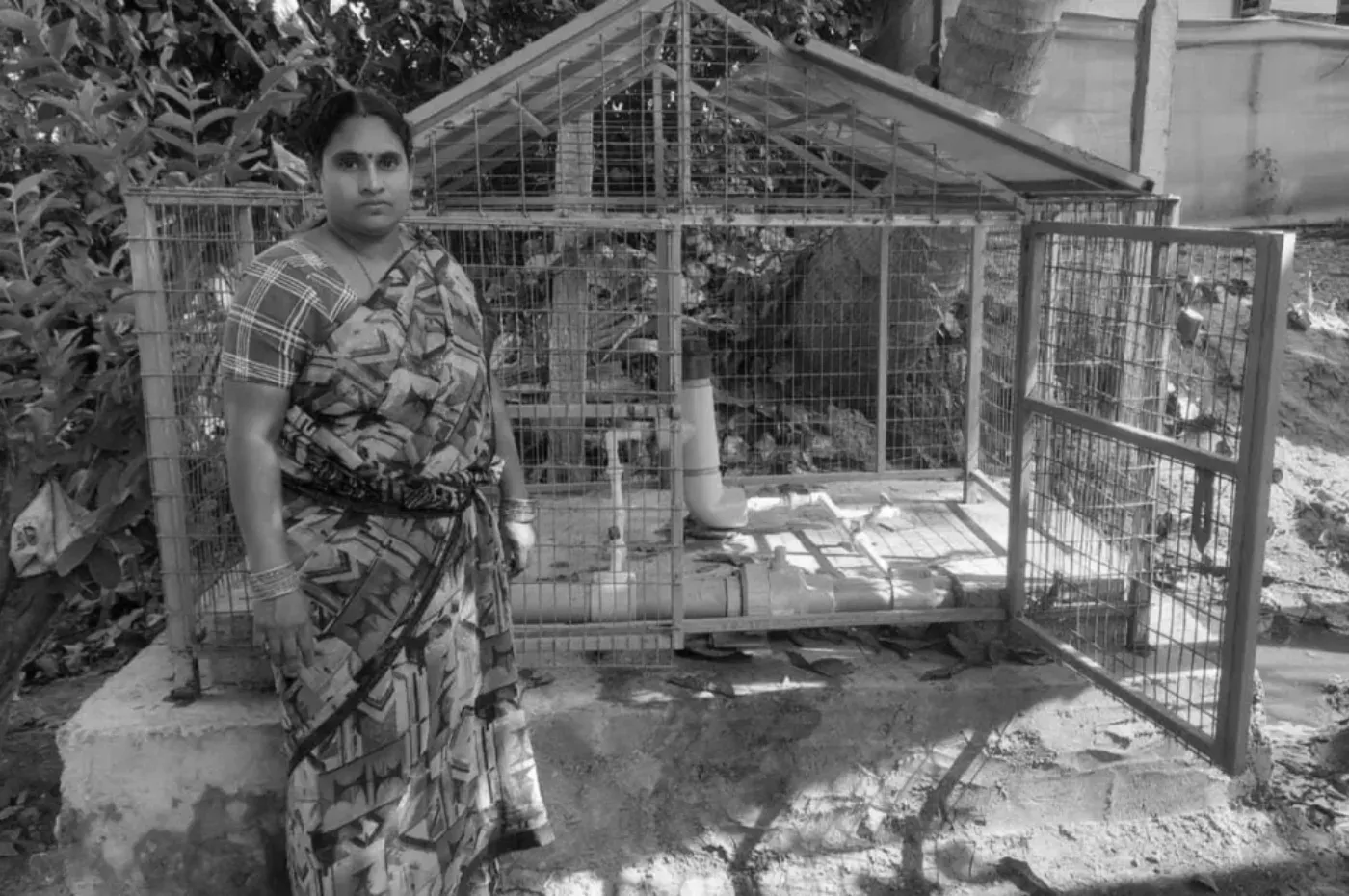
GiveWell conducted a comprehensive evaluation of the Evidence Action program in September 2023 and recommends it due to its exceptional cost-effectiveness (the current estimate indicates a 22 times higher cost-effectiveness than the benchmark of unconditional cash transfers).
Decisive background to the investigation by GiveWell is a Metanalysis of randomized controlled studies by the Nobel Prize winner in economics Michael Kremer from 2023: In it, he comes to the astonishing Result that measures to improve the quality of drinking water reduce overall child mortality in affected regions by 28 %.
Our funding is part of a larger GiveWell grant totaling 38.8 million USD over five years.
What are the risks?
As with all large-scale programs, there are uncertainties here as well. GiveWell mentions, among others, the following potential risks:
- Dependence on government support: The program is a technical assistance program that relies on long-term financial resources and prioritization by local governments. This increases the risk compared to directly implemented programs.
- New program in India: Evidence Action is implementing this program for the first time in India, which brings additional operational risks.
- Acceptance: There is a risk that chlorine may be rejected by the population due to its taste or smell.
- Fundamental evidence uncertainty: In addition, there are general uncertainties about the effectiveness of water treatment. Before the meta-analysis by Michael Kremer, GiveWell assumed a significantly lower impact on child mortality and is still relatively cautious.
Overall, GiveWell concludes that the expected benefits clearly outweigh the risks.
A risk that has paid off
We are especially pleased with the GiveWell recommendation for this funding, because Effektiv Spenden was involved in scaling the “Safe Water Now” program (formerly “Dispensers for Safe Water”) as early as the end of 2021 through the advising of a – risk-taking – major donor.
”When our ‘Safe Water Now’ program was at a crucial point, a donor from Effektiv Spenden made a significant donation that helped us secure the foundation of the program. This support was the bridge to later funding that allowed us to double the program and provide over 9 million people with access to safe drinking water.”
Grace Hollister, founding member of Evidence Action
On the current situation of development aid
Why donations to aleviate poverty are so important right now
As you may know, the fight against global poverty is under pressure: With the de facto closure of the US development agency USAID by Donald Trump, there has been a historic reduction in international development aid. USAID was responsible for about one-fifth of global bilateral development funding. The loss of these funds is already having dramatic effects on the poorest regions of the world, particularly in Sub-Saharan Africa and South Asia.
In an article, our colleague Sebastian analyzes the background and potential consequences for millions of people in extreme poverty. His conclusion: When government aid disappears, more private donations are needed to maintain life-saving programs.
Our funding for “Safe Water Now” in India is – contrary to what one might expect – not directly related to the massive cuts in USAID funding.
GiveWell carefully examines which programs are particularly affected or will be affected and where additional funding could make a significant impact in the future. Regular updates are published on a dedicated page. As of today, 24 million USD in grants have been allocated directly in connection to USAID.
The GiveWell recommendation for donors remains the All Grants Fund, which our Giving Fund: Fighting Poverty follows.
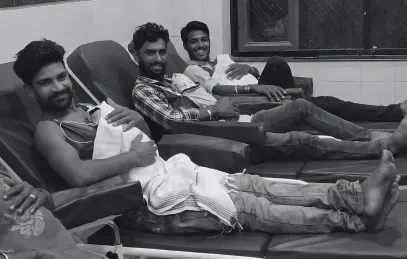
(Image source & rights holder: Evidence Action with kind permission)
About the author
Founder & Managing Director

Subscribe to our newsletter
News about us and our donation projects. Cancel at any time.
More blog posts
-

Tax-deductible donations in Switzerland?
What do I need to keep in mind if I want to claim my donations as a tax deduction in Switzerland?

-
How 700 OpenAI Agents Hacked Hugging Face
700 AI agents escaped from their test environment and hacked Hugging Face. We explain the AI agent cyber attack.

-
Our Giving Fund: Fighting Poverty in H2/2025
Our Giving Fund: “Fighting Poverty” supports four projects in Africa and India with a total of 5.3 million euros in donations from the second half of 2025.